Today's Paper

December 13th, 2024

Headline Image

A Semester in Pictures

By The New New York Times Staff


Over the past few months, our photographers have captured a wide range of images that reflect the global community's spirit and resilience. From significant events to personal stories, the photographs showcase the diverse and vibrant tapestry of life around the world.

Chinese Investments

By Benjamin Herlinger


Angola is a country in Central Africa with a population of 38 million. So, why did President Biden just make the first presidential visit to that country, especially with all of the other allies of the U.S. and the internal politics that took place in the U.S. during November? It's an underlying competition between two of the world's economic superpowers. Since 2013, China has been one of the biggest world lenders. They have lent over 1.3 trillion dollars to countries for numerous reasons, most often to help infrastructure building. Their breadth of scope was initially in the Middle East to help build trade channels to Europe but it has evolved into one of the biggest foreign aid programs in the world.

Building Trust in a Digital World

By Ben Lipman


In the late 1990s, the internet transformed from a niche tool into the backbone of modern life. It promised an interconnected world, where information could be shared and received instantly. Today, it's hard to imagine a day without it; mastering the internet has become an essential tool to succeed in today's world. But as the internet grows, so have concerns over trust and security. In today’s internet, our data is centrally controlled; our information is stored in databases managed by various organizations. While this can make access convenient, it also introduces risks. A breach of one of these systems could expose sensitive data to bad actors.

Learning More About the Department of Gov. Efficiency

By Dominic Chiavaroli


The “Manhattan Project”, the plan carried out by numerous scientists to develop the first nuclear bomb, is what President-Elect Donald Trump is calling his latest idea for his upcoming time in office. The official name of this administration will be called, DOGE, or the Department of Government Efficiency. Throughout his previous presidency and his last campaign period, Trump ran on ideas of drastic government spending cuts for any and all departments. Though his presidency hasn’t begun yet, he has announced this administration will be led by Vivek Ramaswamy, an American entrepreneur, and a Republican formerly running for office, and Elon Musk, the CEO of Tesla and SpaceX, and one of Trump’s largest supporters. Though not official yet, politicians across the federal government and citizens are asking numerous questions about the proposed administration and their goals. Many are asking what the agency will even be capable of, if it could even be created within the federal government, and where exactly they see decreases in spending occurring. The two proposed leaders of this organization have thanked Trump and stated how grateful they are for the opportunity to dispose of millions of unelected federal roles in the government. It’s unclear how exactly this administration will make these decisions, but this isn’t the first time an assignment of this type has been attempted in the federal bureaucracy.

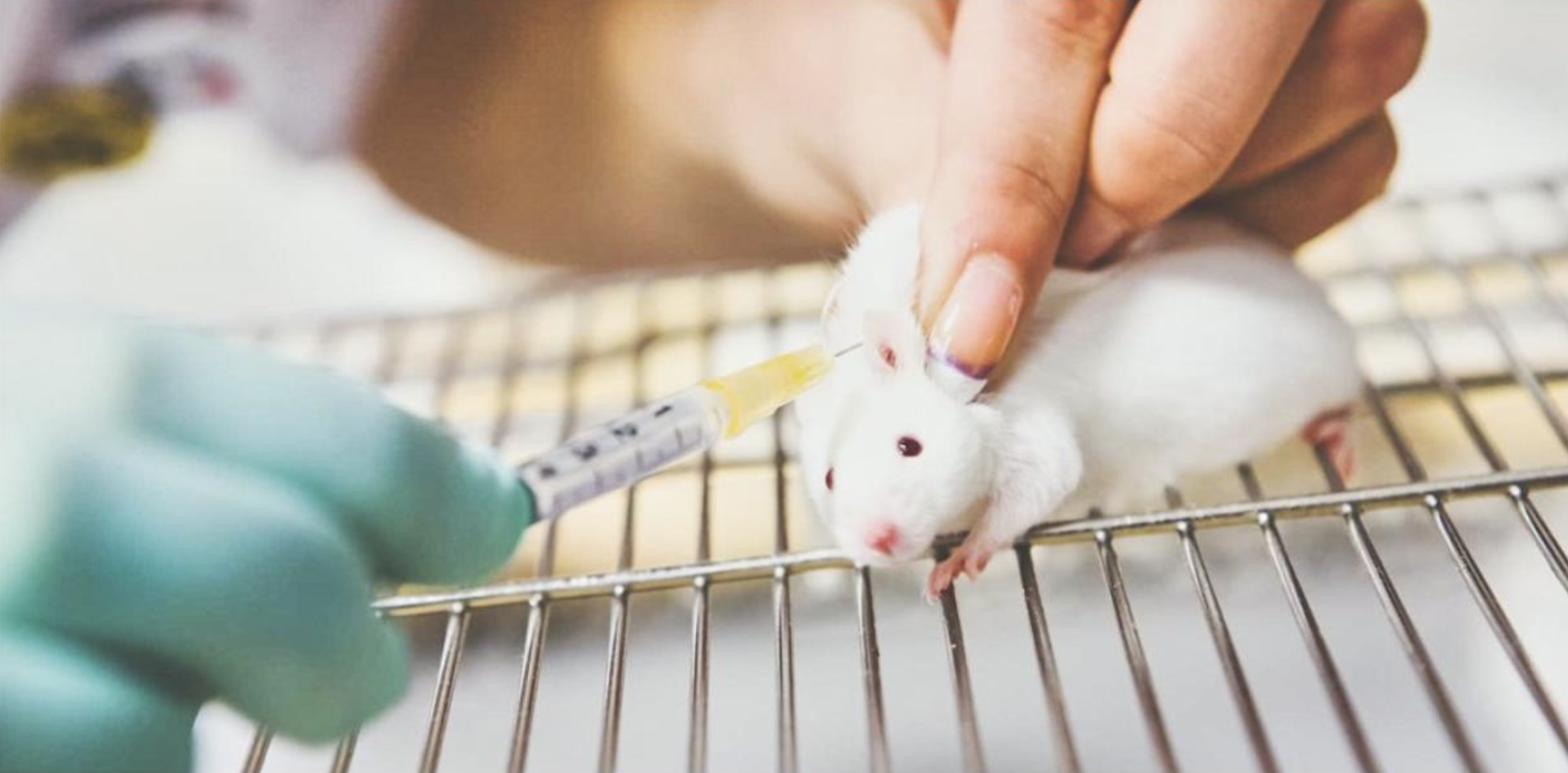
Why Is Animal Testing Still a Pillar of Medical Research?

By Rudy Villalobos


When I first learned about the extensive use of animals in scientific research, I felt conflicted. On the one hand, it’s impossible to ignore the life-saving breakthroughs that animal testing has enabled—treatments for cancer, vaccines for deadly diseases, and insights into genetics. While anesthesia and analgesics can sometimes be used to minimize pain in animal research, they are not universally applied. In some experiments, pain is deliberately induced to study its effects or how medications alleviate it, meaning animals often endure unnecessary suffering. For instance, toxicity testing frequently involves procedures without pain relief. Even if pain could be eliminated, ethical questions would persist due to the systemic objectification of animals and the violation of their autonomy.

Influence and Illusion: Navigating Health Trends in the Social Media Era

By Tess Norris


Social media influences society by shaping cultural trends, facilitating information sharing, enabling activism, impacting political discourse, and providing a platform for self-expression. However, it also raises concerns about misinformation, privacy, and mental health effects depending on usage patterns. Humans value health as one of the most important aspects of their lives. Gen Z is reshaping health trends through promoting healthier, simpler, and more sustainable choices, and sharing these on social media. Platforms such as Instagram, TikTok, and YouTube have become the main hub for influencers, fitness enthusiasts, and medical professionals to share health-related content. These platforms allow for visually appealing and accessible wellness topics but blur the lines between credible and inaccurate information.

New Adulthood

By Emery Leggett


Jane Doe is a 22 year old recent college graduate who entered the workforce earlier this year. She works two jobs and a total of almost 60 hours a week in order to afford her own place and pay her bills on her own. Although she is able to live independently, it comes at a sacrifice that a lot of young adults her age are not making themselves.

Those Darn Californians

By Jack Mcquesten


When I ask people where they are from I expect to hear one of 3 answers: I'm from about 30 minutes away. You probably haven't heard of it. Or I’m from California. Now it might be my personal experience and where I’ve been from but listening to public discourse and internet browsing I don’t think I’m alone in hearing a ton of people say they are from California. If not from California, there are people from Seattle, Portland or some large city in the East. Is this selective listening, and confirmation bias, or is there really a mass influx of people from the coastlines affecting places like Colorado, Idaho, Montana, Wyoming and more. How is this affecting the people who previously resided there and how is it changing the city's future?

With the election of Donald Trump, the country anxiously waits to see what happens in education

By Riley Ferguson


Education has been a hot area of debate in recent years due to the lockdown of 2020 due to the COVID-19 pandemic. During this time, children and parents were forced to stay home for school and work. At this time, some parents started to pay more attention to the teachings of teachers in schools, especially in Republican groups. Parents wanted to play a larger role in their children's education.

Science

By Armando Duarte


Currently, the most used source of energy has been fossil fuels, more specifically oil and natural gas. To put it into perspective, oil leads the global energy consumption at thirty-two percent, with coal and natural gas behind at twenty six percent and twenty three percent respectively. Fossil fuels have been the primary source of energy for many years now due to them being highly energy-dense, readily available, and relatively inexpensive. However, a problem that has been highlighted recently with fossil fuels is the pollution they cause. Fossil fuels account for over seventy-five percent of greenhouse gas emissions, ninety percent of all carbon dioxide emissions, and are responsible for more than a 0.3 degrees Celsius rise in global

Sofie's Article Image

What They Are Clapping For

By Sofie Hoff


TIME Magazine posted the above photo in their collection of the magazine’s top 100 photos of 2024. The image caught my attention. I asked myself, “What are they clapping for?” I wanted to find out what policies Trump was promising that elicited a standing ovation at his rallies, and granted him the presidential victory. To better understand...

36 Hours in Boulder, Colorado

By Tara Swinson


The Tiny Living Lifestyle

By Katelyn Anderson


Allison and Nicholas Bracken (@rollingwithophelia) knew they wanted to live “smaller” but had difficulty deciding where to settle down. Neither of them had seen a lot of the United States and felt that it didn’t make sense to buy property without seeing what the rest of the country had to offer. Ultimately, they decided to buy a 40-foot school bus so that they could travel while having a comfortable and spacious home-on-wheels. This decision came about because they learned that buying a bus was significantly cheaper than buying a van.

Be Aware of Facial Recognition

By Bryce Reim


Last Month Harvard students AnhPhu Nguyen and Caine Ardayfio created what they describe as “doxing glasses” and they have brought up some major privacy and ethical concerns. Their product “I-XRAY” is a software that was installed onto Meta’s Ray-Ban smart glasses that is capable of accessing personal information such as name, age, home address, and phone number. Their software works by using facial recognition software along with reverse image searching using PimEyes and a chat-GPT-like tool to organize all the information such as name, occupation, address, etc. Also stated by Nguyen, “This could be done with any regular phone camera and still do the same amount of damage” Nguyen and A

Who’s In, Who’s Out: A Guide to the College Football Playoff

By Jesse Uzansky


The college football regular season has concluded, and all eyes turn toward conference championship weekend and selection day. College football has become a cornerstone in the United States, and a lot of people are eager for the playoffs. The College Football Playoffs (CFP) is the ultimate stage for teams to showcase their best performance in the culmination of a rigorously long season. Every team works extremely hard with aspirations to make the playoffs for the opportunity to win the coveted National Championship Title. Each year there is new controversy,

The Sober Curious Generation

By Talia Sclar


24-year-old Marni used to drink every weekend in college. While she never particularly liked getting drunk, she felt like it was the norm in college, and every time she went out, she was drinking more than she wanted. After graduating, she felt the freedom to find other things she enjoyed, which made her not want to deal with the aftermath of drinking as much. She still drinks, but mindfully, which to her means ordering a cocktail at dinner because she enjoys the taste and not drinking just to get drunk. Maddie is not the only young adult who identifies as a “mindful drinker.” Defined as being considerate of how often and how many drinks you’ve had, 34% of Americans identify as mindful drinkers. Gen Z specifically seems to be at the forefront of this trend, with 61% planning to drink less in 2024