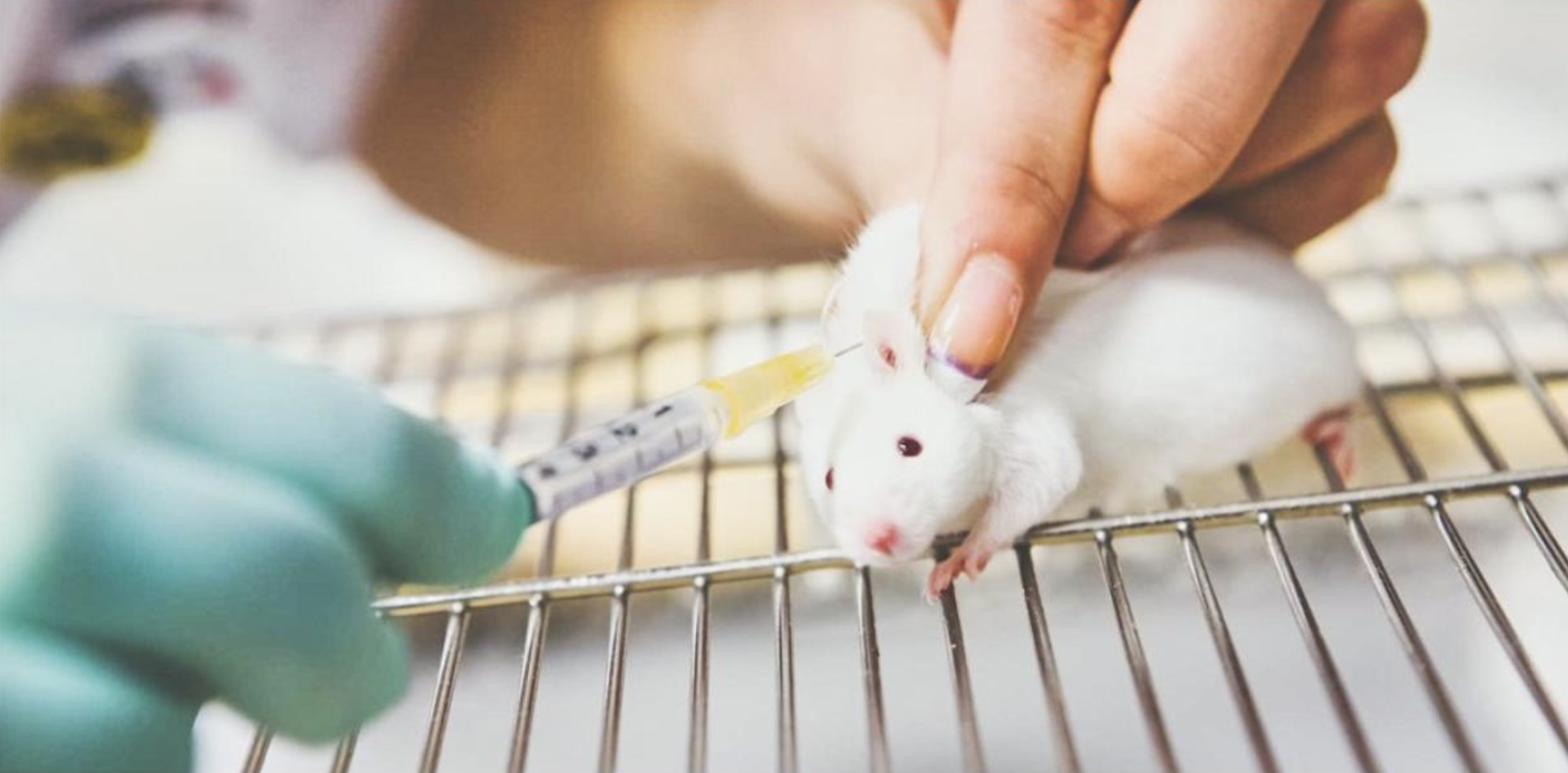
When I first learned about the extensive use of animals in scientific research, I felt conflicted. On the one hand, it’s impossible to ignore the life-saving breakthroughs that animal testing has enabled—treatments for cancer, vaccines for deadly diseases, and insights into genetics.
While anesthesia and analgesics can sometimes be used to minimize pain in animal research, they are not universally applied. In some experiments, pain is deliberately induced to study its effects or how medications alleviate it, meaning animals often endure unnecessary suffering. For instance, toxicity testing frequently involves procedures without pain relief. Even if pain could be eliminated, ethical questions would persist due to the systemic objectification of animals and the violation of their autonomy.
This ties into broader animal ethics debates, where respect for animal agency is prioritized over merely alleviating suffering. As for human testing, it is conducted under strict ethical guidelines, including informed consent, safety protocols, and Institutional Review Board (IRB) approval, ensuring participants understand and agree to the risks. On the other hand, the image of a terrified animal enduring pain feels deeply unsettling. It’s a contradiction we rarely stop to question, but as I dug deeper, I began to wonder: Do we really need to rely on such an outdated, ethically fraught practice in a world brimming with innovative alternatives? Is it possible to achieve the same scientific progress without inflicting suffering?
A Legacy of Suffering and Progress
Animal testing has been a part of medical history for centuries. From early experiments in ancient Greece to the development of groundbreaking treatments like the polio vaccine, its contributions are undeniable. The genetic similarities between humans and animals, particularly rodents and primates, have long made them ideal subjects for studying diseases and testing treatments. For example, research on chimpanzees, which share over 98.5% of our DNA, was instrumental in understanding diseases like hepatitis and developing related vaccines.
Defenders of animal testing often point to these contributions, as well as the necessity of studying biological processes in living systems. They argue that many medical advancements, from organ transplants to antibiotics, would not have been possible without animal models. Additionally, they claim that non-animal methods, while promising, are not yet capable of fully replicating the complexity of living organisms. However, this justification is increasingly questioned as technological advancements provide alternatives that reduce the need for animal suffering.
Yet behind these breakthroughs lies an uncomfortable truth: millions of animals endure immense suffering in laboratories each year. Mice, dogs, monkeys, and countless other species are subjected to invasive procedures, toxic exposure, and conditions of isolation and neglect. They are not just numbers on a chart but sentient beings capable of fear, pain, and even a rudimentary form of hope. The recognition of animal sentience has profound ethical implications, as research shows that many animals experience complex emotions and cognitive abilities, including empathy and problem-solving. For example, studies on rats have demonstrated their capacity for altruistic behavior, where they free trapped companions even when no direct reward is offered.
I first became aware of the realities of animal testing during my coursework on neuroscience, where I was introduced to studies involving rodents subjected to invasive procedures. Learning about their suffering and the limited translational success of such experiments led me to question their necessity. Sharing these insights helps highlight how educational exposure can shape ethical awareness.
The Ethical and Scientific Challenges
This brings us to the heart of the issue: Is animal testing still justifiable today? While proponents argue that animals’ biological similarities to humans make them invaluable for research, those same similarities make their suffering all the more troubling. They can feel pain, experience terror, and form bonds. To dismiss their lives as mere tools for science seems morally inconsistent, especially when we know that 94% of drugs that pass animal tests fail in human clinical trials. This staggering failure rate makes it clear that animal testing is not as reliable as we’ve been led to believe.
Alternatives to Animal Testing: The Future of Research
Consider the case of thalidomide, a drug that caused severe birth defects in thousands of human babies despite passing animal safety tests. Or Vioxx, an arthritis medication that was deemed safe in animal studies but caused tens of thousands of heart attacks in humans. These examples highlight systemic issues with using animal models as stand-ins for human biology. Additionally, alternatives like human testing exist but are governed by stringent ethical standards. Volunteers participate in clinical trials only after providing informed consent, and their participation is closely monitored to ensure safety. Unlike animal testing, these trials prioritize the autonomy and well-being of participants, which raises the question: If we can uphold strict ethics for human testing, why not for animals?
The scientific community is increasingly embracing innovative methods to replace, reduce, and refine the use of animals in research—known as the 3Rs. What gives me hope is the incredible innovation happening in the field of non-animal research. Technologies like "organs-on-chips," which replicate human organ systems using living cells, are revolutionizing how we study diseases and test drugs. These chips can simulate liver function, lung response, and even multi-organ interactions, providing data that is not only more accurate but also more humane.
Take the example of recombinant Factor C (rFC), a synthetic alternative to horseshoe crab blood traditionally used in vaccine testing. This advancement spares millions of crabs from being drained of their blood while providing a more reliable test for endotoxins. Innovations like this prove that we don’t have to choose between ethical integrity and scientific progress. The tools to transition away from animal testing already exist; what’s missing is the widespread commitment to adopt them.
A System in Need of Change
One reason we’ve been slow to embrace these alternatives is systemic inertia. Regulatory agencies often demand extensive validation of non-animal methods before approving them, a process that can be prohibitively expensive and time-consuming. Meanwhile, traditional animal tests continue with minimal scrutiny, perpetuating their use. Laws like the Animal Welfare Act, while well-intentioned, exclude millions of animals from even basic protections. Mice, rats, birds, and fish—species that make up the majority of lab animals—remain protected by The Institutional Animal Use and Care Committee (IACUC), but before these programs were in place, many unethical practices would take place on these animals.
Despite these obstacles, there are signs of progress. The CHIMP Act, which facilitated the retirement of hundreds of chimpanzees from research facilities to sanctuaries, demonstrates that change is possible. Legislative efforts to ban cosmetic testing on animals, both in the U.S. and globally, further highlight a growing shift toward humane science. These examples show that we can move away from animal testing, but it requires a concerted effort from governments, institutions, and individuals alike.
A Better Way Forward
What strikes me most is that we have everything we need to phase out animal testing—we just need the will to do it. The alternatives we’ve developed are not only humane but also more effective and cost-efficient. By investing in these technologies and updating outdated regulatory frameworks, we can ensure that science progresses without sacrificing ethics.
As individuals, we can also drive change. Supporting cruelty-free products, advocating for stricter animal welfare laws, and spreading awareness about the realities of animal testing are all powerful ways to contribute. Promoting companies that prioritize cruelty-free practices, such as those certified by Leaping Bunny or PETA, can encourage broader corporate responsibility. These efforts align with a growing movement to reestablish a healthier, more respectful relationship with the natural world.
Conclusion
For me, this issue is deeply personal, shaped by my background in neuroscience and psychology, where I’ve encountered both the scientific benefits and ethical challenges of animal testing firsthand. When I think about the millions of animals currently confined in labs, I am also reminded of the millions of animals euthanized every year due to overpopulation and lack of resources. While these phenomena may seem unrelated, both reflect a broader societal tendency to view animals as disposable resources, whether for science or convenience. Addressing this indifference requires a cultural shift toward valuing animals as sentient beings with intrinsic worth.
This extends beyond animal testing into a larger framework of animal ethics. For example, veganism—an ethical stance against the exploitation of animals for food, clothing, or other purposes—is gaining traction as a parallel movement to oppose the commodification of animals. Both causes advocate for reducing harm and fostering coexistence with nonhuman species. Similarly, debates about the ethics of zoos, circuses, and pet breeding highlight the need for consistent principles of compassion and respect across all human-animal interactions.
Furthermore, it’s worth considering whether our indifference to animal suffering is a symptom of a broader cultural desensitization to all forms of suffering, including environmental degradation and human exploitation. Reframing animal ethics as part of a holistic approach to living in harmony with the natural world can help address these interlinked crises. While the scientific progress enabled by animal testing is undeniable, it is time to prioritize innovation that aligns with both ethical integrity and sustainable coexistence. The tools exist—our moral responsibility is to use them.